- Published:
- Wednesday 6 May 2026 at 2:53 pm
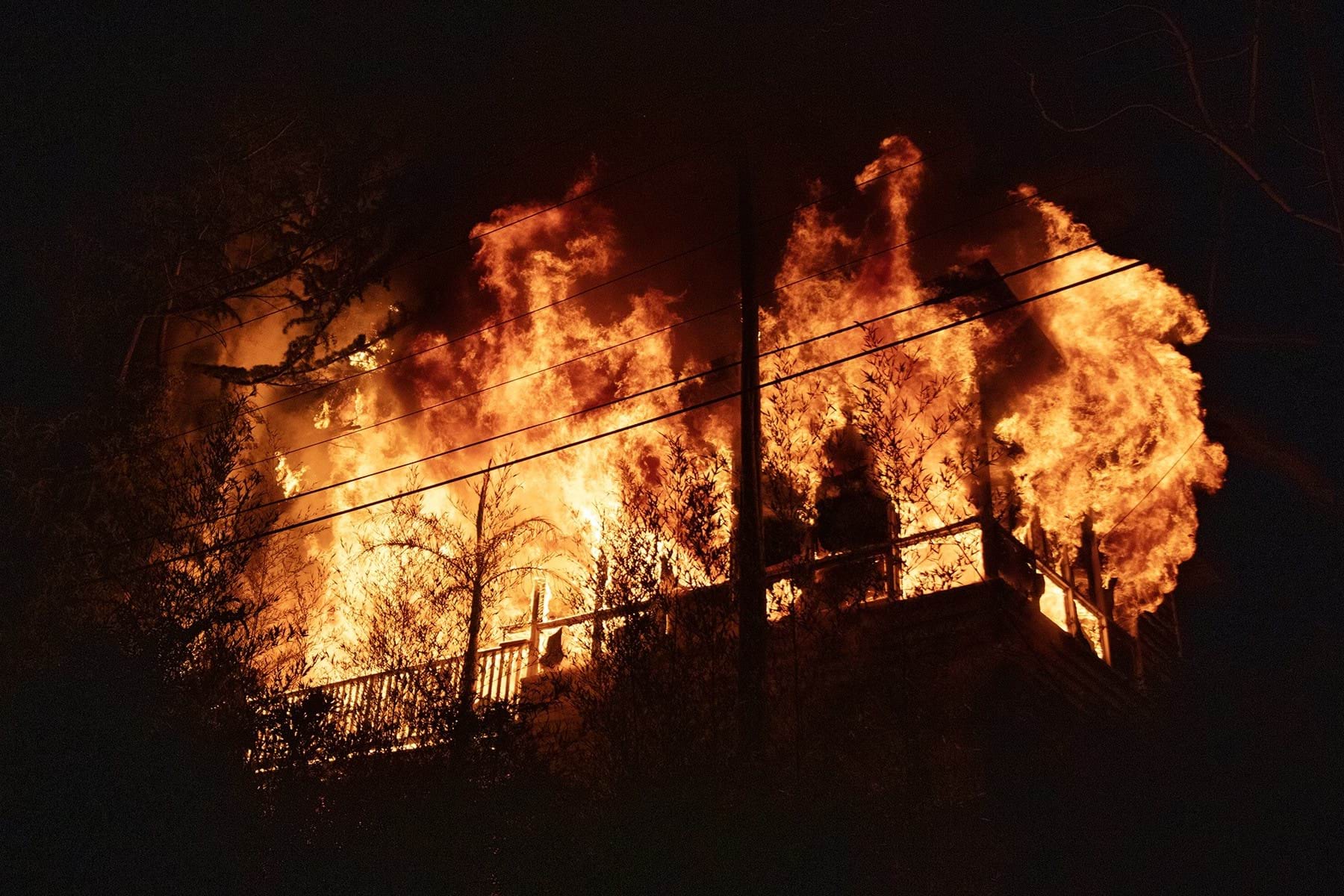
Victorian fire services are warning of the fire risk of everyday household products after a recent significant incident in Upwey, where a family lost their home in a fire linked to a lithium-ion battery charger.
CFA crews were alerted to the structure fire at around 10.57pm on Sunday 19 April.
On arrival, crews found an elevated home fully involved with fire, with flames reaching well above the roofline. The fire had started in a workshop beneath the property, on a steep section of road, before spreading through the home. Multiple local brigades worked to bring the fire under control at 11.28pm.
A fire investigation the following morning indicated the cause was consistent with an older incompatible charger being used with newer lithium-ion batteries.
Victorian fire services have identified lithium-ion batteries, which are widely used in rechargeable devices such as laptops, mobile phones, e-bikes, e-scooters, power banks, and power tools as an emerging fire safety risk.
Combined data from CFA and FRV shows firefighters responded to more than 3,600 residential fires across Victoria in the 2024-25 Financial Year.
CFA Acting Chief Officer Garry Cook said the Upwey incident was a reminder of how quickly lithium-ion battery fires can escalate.
“Lithium-ion batteries have become part of everyday life, but many people still underestimate the fire risk,” Garry said.
“These fires can start quickly and spread just as fast, which is why it is so important people take simple precautions when charging and storing these devices.
“Always use the charger supplied with the device, or one recommended by the manufacturer. Avoid charging batteries on beds, couches or other soft furnishings, and never leave charging devices blocking a doorway or exit.
“If a battery is overheating, swelling, leaking, making unusual noises or giving off a strong smell, stop using it immediately.
“Make sure you also have working smoke alarms that are interconnected, in your home, because early warning can make all the difference.”
FRV Deputy Commissioner Community Safety and Operational Training Joshua Fischer said Victorians should be aware of the range of causes that could lead to lithium-ion batteries catching fire.
Firefighters are continuing to respond to around one fire each day caused by rechargeable lithium-ion batteries, he said.
“These batteries become more of a fire risk when they are overcharged or incompatible chargers are used, when they are overheated or damaged, and when they malfunction or have faults,” he said.
“While these types of batteries are in many devices we use every day, the good news is that we can minimise the fire risk by knowing what to look for and following a few steps in choosing and handling lithium-ion battery-powered devices.
“By following these guidelines, we can look to reduce the frequency of these fires which are a significant cause of preventable fires across the state.”
To minimise your risks of a fire caused by a rechargeable lithium-on battery:
- Purchase products from a reputable supplier and follow the manufacturer’s instructions.
- Only charge items in rooms with smoke alarms. Charge away from doors and escape routes so you can safely exit a property if your product catches alight.
- Only use chargers and cords that are originally supplied with that device. Using chargers with incorrect power delivery (voltage and current) can cause damage to the battery or overheating that can lead to fires.
- Only use batteries that are designed for that device.
- Check that chargers have the Regulatory Compliance Mark, to show that they meet the relevant Australian Standards.
- Avoid charging on soft locations such as couches, beds and carpets.
- Don’t use batteries or devices that show signs of swelling or bulging, leaking, overheating, or signs of mechanical damage.
If your e-product does catch fire:
- Call Triple Zero (000) immediately.
- Stop using the product if you notice overheating, bulging, leaking or unusual sounds.
- Leave the area and call Triple Zero (000), even if you no longer see flames or smoke.
- It’s not safe to attempt to put the fire out yourself, as batteries involved in fire can release toxic gases and generate multiple explosions. Ensure firefighters attend to make the area safe.
Safe disposal of lithium-ion batteries:
- Never throw lithium-ion batteries in your regular waste or recycling collection bins. Many battery-related fires start in household bins, garbage trucks and waste facilities.
- Victorians can learn more about lithium-ion batteries and how to safely use these products online at www.cfa.vic.gov.au/batterysafety and www.frv.vic.gov.au/battery-safety.
Updated